



🌿 What Is Greenwashing, Really?
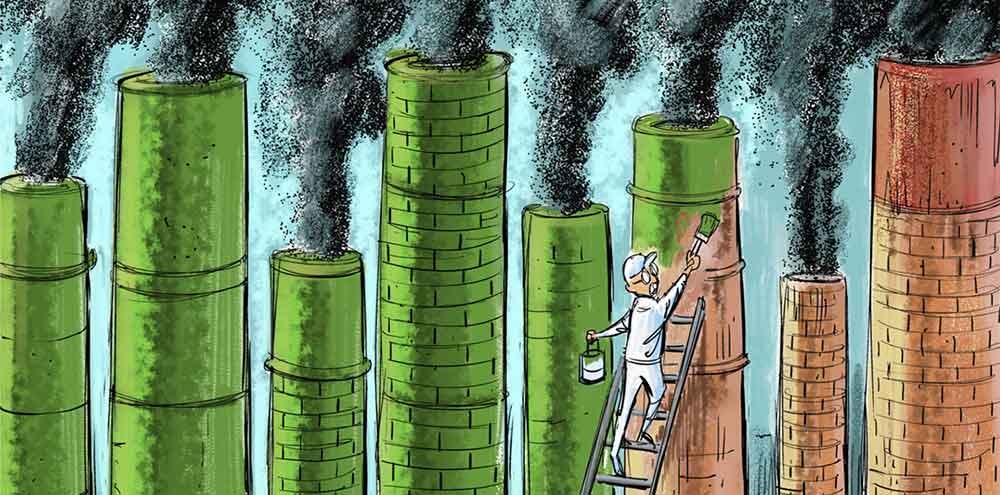
Greenwashing is when companies pretend to be environmentally friendly without actually making meaningful changes to reduce their impact. It’s all about marketing over action.
You’ve seen it: a plastic water bottle labeled “eco-friendly,” or a fast fashion brand launching a “conscious” line—meanwhile, their main business still pollutes.
Greenwashing tricks consumers into thinking their purchases are helping the planet—when they’re not.
🚨 Why It Matters
More people today care about the environment. Brands know this. Instead of changing their practices, many simply change their packaging or language.
📊 In fact, a 2023 EU study found that:
-
53% of green claims were vague, misleading, or unfounded
-
40% had no supporting evidence at all
This false advertising makes it harder for truly sustainable businesses to stand out—and keeps the public from making informed choices.
🧼 How Companies Greenwash
Here are common ways brands fake their eco-cred:
-
Vague Buzzwords
Terms like “natural,” “green,” “clean,” or “eco-conscious” sound good—but often have no real definition or regulation behind them. -
Cherry-Picking Good Deeds
A company may highlight a small sustainable action (like recyclable packaging) while ignoring its massive carbon emissions. -
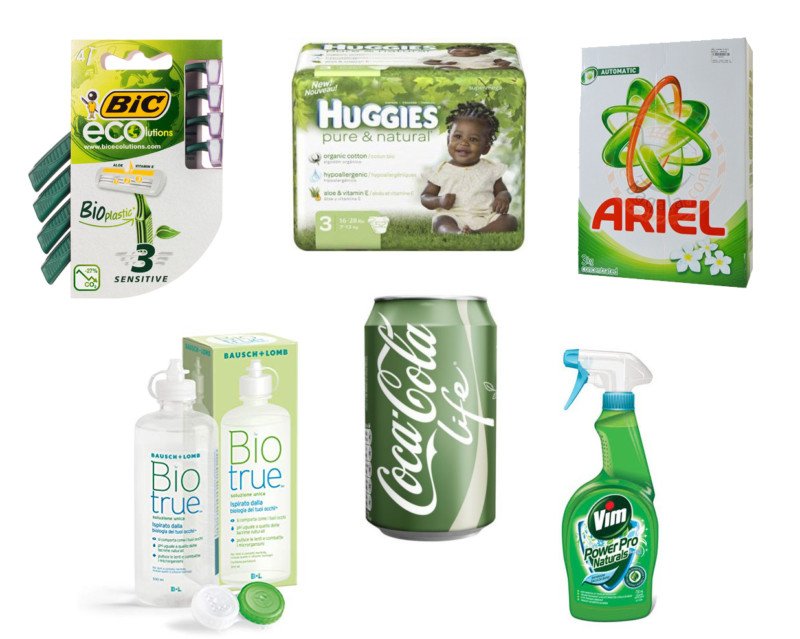
Using Nature Imagery
Earth tones, leaves, and oceans on labels suggest sustainability, even when the product itself is far from it. -
Carbon Offsetting Claims
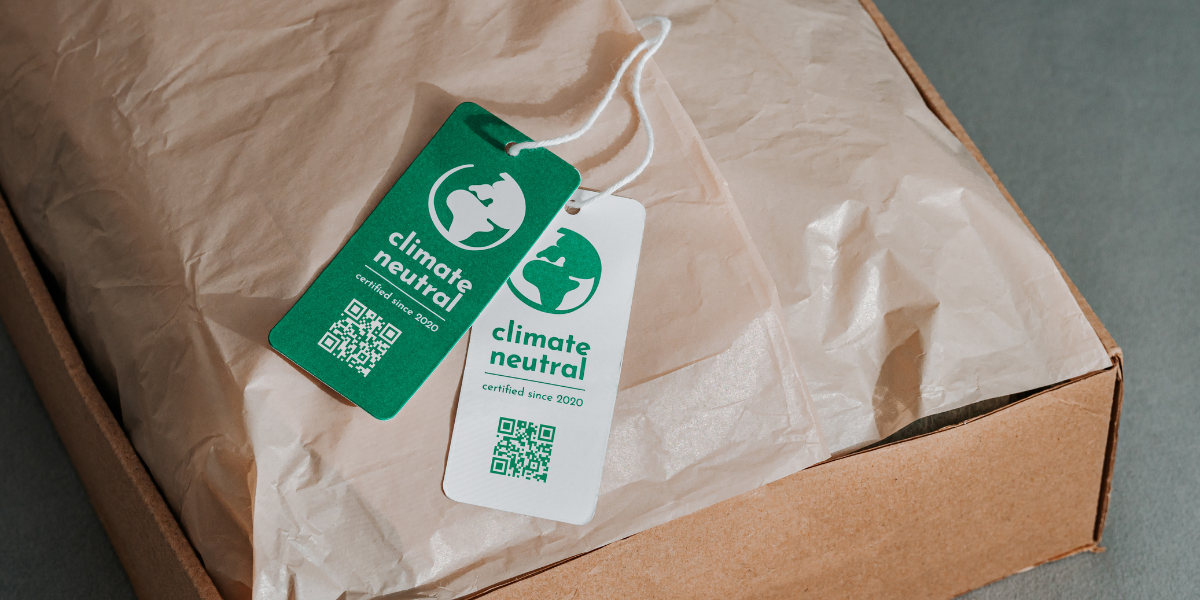
Brands say they’re “carbon neutral” thanks to buying offsets—without reducing emissions in the first place. -
Misleading Certifications
Some invent their own eco labels or use real ones incorrectly. It’s easy to confuse shoppers.
🛒 Real vs. Fake: Spot the Differences
Here’s how to tell if a brand is actually walking the talk:
✅ Transparency
They tell you exactly what’s in the product, how it’s made, and how it impacts the planet—with data and proof.
❌ Vagueness
They use fluff terms like “eco-friendly” with no explanation.
✅ Third-Party Certifications
Look for legitimate badges like:
-
B Corp
-
Fair Trade
-
USDA Organic
-
FSC Certified (for paper/wood)
❌ Fake Eco Logos
Logos that look official but aren’t tied to any real certification.
🌍 The Bigger Picture
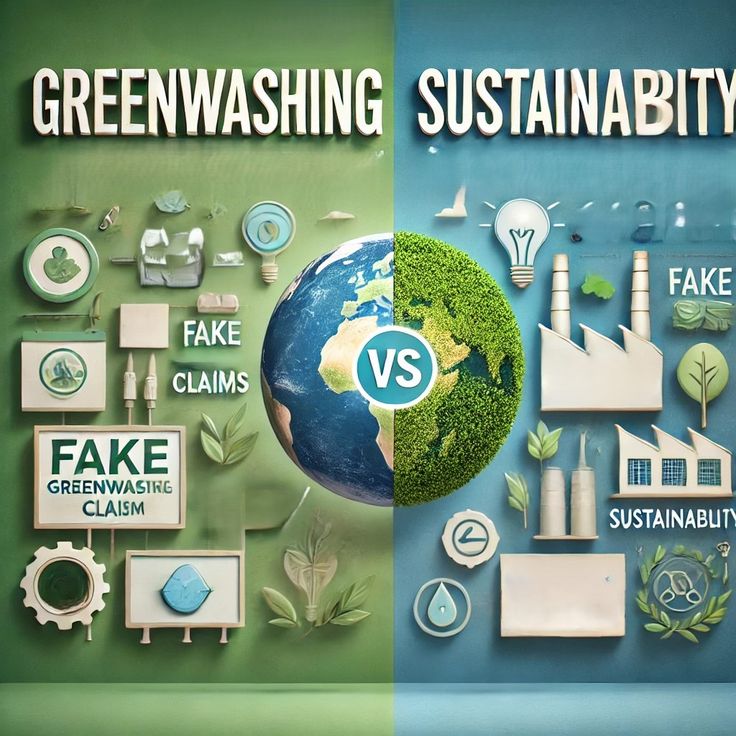
Greenwashing doesn’t just fool individuals—it slows down climate action. When companies mislead customers:
-
They delay real change
-
They reduce pressure for stricter laws
-
They take market share from genuinely sustainable businesses
It becomes harder for all of us to do better.
💡 What You Can Do
You don’t have to be perfect—but you can shop smarter. Here’s how:
🔍 Research before you buy. A quick search can reveal if a brand is transparent or just pretending.
📦 Check ingredients & materials. Look beyond the front label.
📣 Call it out. If you spot greenwashing, let the company—and others—know.
🛍️ Support smaller brands that lead with ethics, not just aesthetics.
📢 Push for better laws. Demand stricter regulations around marketing and eco claims.
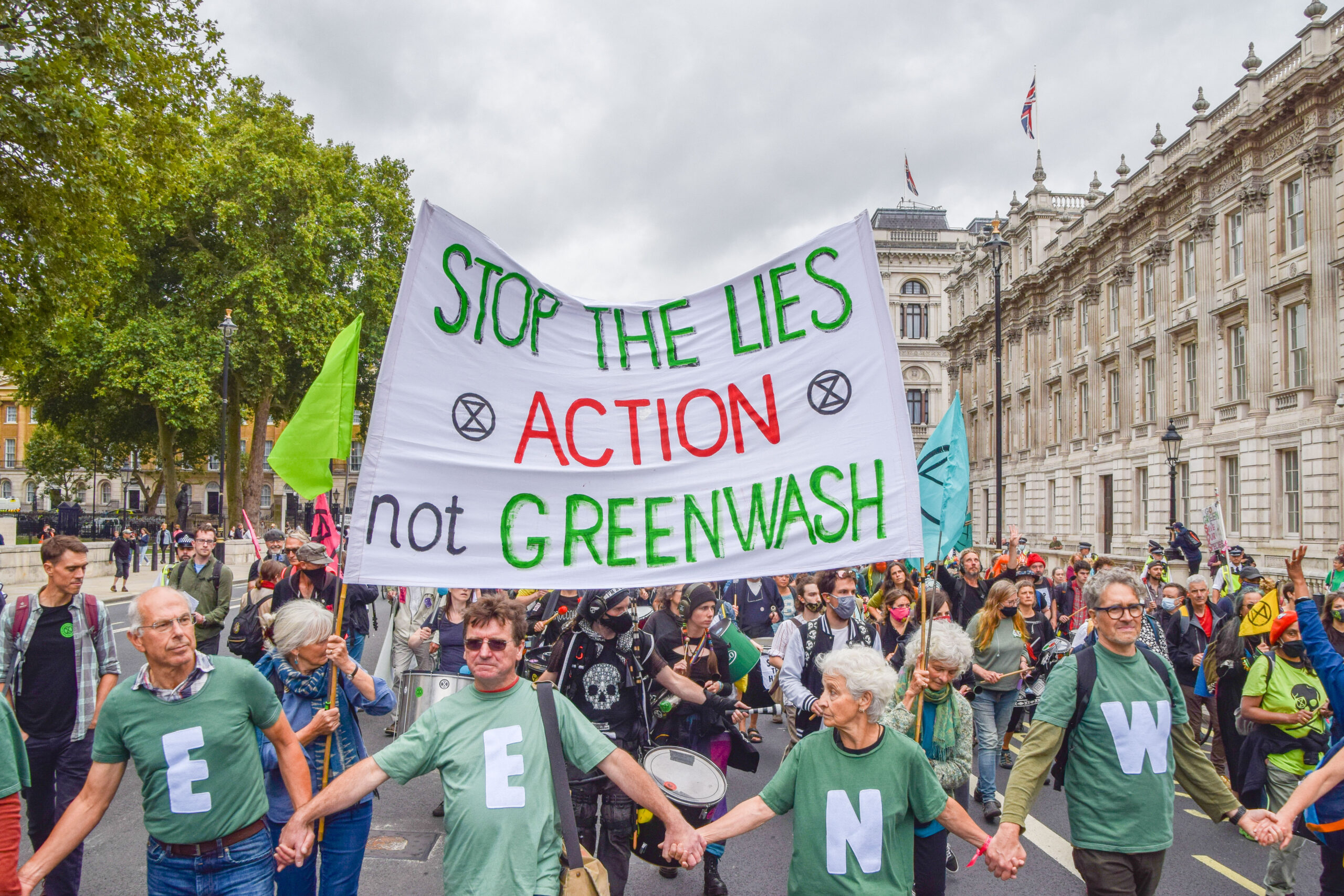
💬 Final Thought
Greenwashing turns climate care into a PR game—but real sustainability is about systems, not slogans.
The next time you see a “green” product, ask yourself:
Is this a genuine step forward—or just a pretty label?
Because the planet doesn’t need more promises.
It needs honesty, action, and accountability.
Leave a Comment